 Joel Libava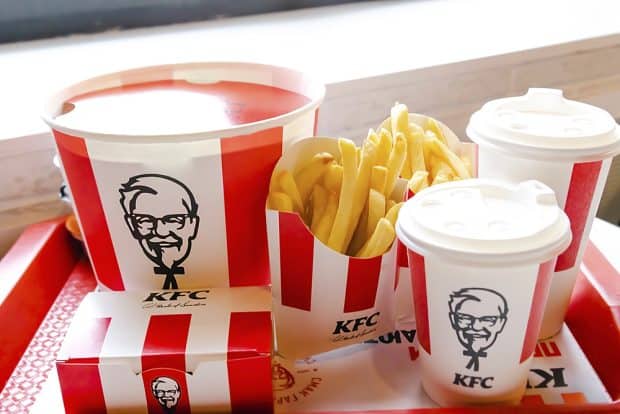
You’ve seen the logo a thousand times. You’ve eaten the food. You’ve used the service. You love the brand.
So you think to yourself, “I should own one of these. I want to own this franchise brand.”
And that’s where the trouble starts.
The Most Dangerous Way to Choose Then Research a Franchise Brand
There’s a research method I see over and over again. I’ve seen it for more than 25 years. And it almost never ends well.
I call it “Brand-First Research.”
And here’s how it works.
In this particular instance, you pick a franchise brand you already admire. Maybe it’s a household name. Maybe your friends are impressed when you mention it. Maybe you’re a satisfied customer who spends hundreds of dollars a year there. So, you get excited. You start picturing yourself as the owner. You skip the hard questions. You assume the brand’s reputation will carry you to profitability.
It won’t.
Let me say that again. A famous franchise brand will not make you money by default.
Franchise Brand Recognition is NOT Profitability
This is the single biggest misconception in franchising.
In this instance, it’s aspiring franchise owners confusing awareness with earnings. They’re not the same thing. Not even close.
The fact is, a franchise can be a nationally famous brand and still have razor-thin margins.
Secondly, it can require a massive buildout. It can demand working capital that drains your savings before you even open.
Thirdly, it can be completely saturated in your territory.
Bottom line?
You’re not buying a brand. You’re buying a business. And a business has to make money.
Finally, your return on investment (ROI) matters infinitely more than how many people recognize the logo.
The Franchise Business Brand’s Revenue Trap
Here’s a number from Item 19 in the FDD that fools people every single day:
“Average unit revenue: $1.2 million.”
Sounds great, right? It’s not. Not without context, anyway.
You need to ask yourself this:
- What’s the median revenue?
- What are the bottom 25% of franchisees actually doing?
- Are labor costs in line for this franchising sector?
- What’s left after you pay royalties, marketing fees, loan payments, rent, insurance, and payroll?
Remember, revenue is not income. Revenue is not profit. Revenue is not what you take home.
And speaking of revenue…
“The recipe for success . . . customers will get what they want, when they want it . . . you will see more revenue, greater brand loyalty, real relationships, and a competitive edge.”
Look, I’ve seen franchisees with over a million dollars in revenue who were barely scraping by. The top-line number means nothing if the bottom line is empty.
You need to dig deeper. Way deeper.
Check Out My New Guide for Franchise Buyers!
The Franchisor’s Handpicked References
Here’s something that should concern you.
When a franchisor gives you a list of franchisees to call, those names are carefully chosen.
Generally speaking, they’re mostly top performers, or damn near. They’re brand advocates. They’re the happy ones. And they’re used to getting calls from prospective franchisees.
That’s not research. That’s marketing.
That said, I want you to check this out. It’s from “The Definitive Guide to Franchise Research.”
“In spite of the fact that the franchisees on this list are almost guaranteed to be highly-successful franchisees who are used to getting a lot of calls from people like you, I still want you to call them. But not all of them.
In this case, if the list you’re given has 10 names on it, call
two or three of them, at most. Here’s why I want you to do
this:
A. Generally, these are easy calls to make. After all, the
franchisees on this list are expecting your call. In other
words, they’re prepared.
B. You can “practice” on them.“
That’s right. I want you to use these franchisees as practice. Why?
Because as I said, they’re easy calls to make because these folks are used to getting a lot of them.
Practice Makes Perfect
So, practice your questions…your approach. With franchisees from the list given to you by headquarters. You’ll be glad you did.
That way, when you start calling franchisees from around the country randomly, you’ll sound like you know what the heck you’re doing.
And in my experience, you don’t want to be seen as someone who doesn’t know a lot about the franchise brand and the business opportunity.
Grab my guide!
Remember, real franchise brand research means calling 10 to 15 franchisees on your own.
It also means finding the ones who are struggling. The ones who just opened. The ones who left the system. The ones the franchisor hopes you never talk to.
Those conversations will tell you more about the franchise than any glossy brochure ever will.
Bluntly, if you’re not willing to make those calls, you’re not ready to write that check to become a franchise owner.
Your Local Market is Not Their Local Market
“It works in Austin, so I’m sure it’ll work here.”
Maybe. Maybe not.
To begin with, demographics are different. Rent is different, too. Labor laws are different. The competition is different. And consumer behavior is different, regionally.
For example, a franchise brand that thrives in one market can absolutely fail in another. National success does not guarantee local success. Period.
That’s why you need to study your specific territory. Your specific costs. Your specific customer base. Not someone else’s.
A Smarter Way to Choose a Franchise to Own
So what should you do instead?
Flip the script.
Don’t start with the brand. Start with yourself.
Continue Learning About Franchising
Check out these important franchise trendsGet the latest franchise research tips
Learn how to choose the right franchise for you
Educate yourself about some of the franchise legal stuff
Get specific advice on owning and operating a franchise

Ask these questions first:
- What professional skills can I leverage?
- What investment range actually fits my capital?
- What return on investment do I need to make this worthwhile?
- How involved do I want to be in daily operations?
- Is there a level of risk I’m genuinely comfortable with?
I call this “Model-First Research.” You build your personal/financial framework first. Then you find franchise brands that fit inside it.
Not the other way around.
This approach removes emotion from the equation. It forces you to think like an investor instead of a fan. And that distinction can be the difference between building wealth and losing everything.
The Bottom Line on the Franchise Brand You Choose
Franchising can be a powerful path to business ownership. But only if you approach it with clear eyes and a sharp pencil.
Stop choosing franchises the way you choose restaurants. Stop letting brand loyalty cloud your financial judgment. Stop assuming that a name you recognize is a business you should own.
Franchise Buying Tip: Fall in love with the numbers. Fall in love with the model. Fall in love with the math.
Because the math doesn’t care about the logo.
And neither should you.
Franchise Brand FAQs
Buying a franchise based on brand recognition alone is risky because a famous name doesn’t guarantee profitability. Well-known franchises can still have thin profit margins, high buildout costs, heavy ongoing fees, and saturated territories. Your return on investment matters far more than how recognizable the logo is. Smart franchise buyers use a model-first approach—starting with their financial goals, risk tolerance, and lifestyle preferences before evaluating any brand.
Average franchise revenue numbers can be very misleading because they don’t tell you what a franchise owner actually takes home. A franchise might report $1.2 million in average unit revenue, but that figure doesn’t account for labor costs, royalty fees, marketing fees, rent, debt payments, or other operating expenses. It also doesn’t reveal what the bottom 25% of franchisees are earning, or what the median revenue is. Revenue is not profit—always dig into the full financial picture before investing.
You should speak with at least 10 to 15 franchisees before making a franchise investment decision. Don’t rely only on the references the franchisor provides—those are typically top performers and brand advocates who have been carefully selected. Serious due diligence means contacting franchisees on your own, including those who are struggling, recently opened, or have left the system. These conversations will give you a far more realistic picture of what owning that franchise is actually like.
Model-first franchise research is a smarter alternative to choosing a franchise based on brand popularity. Instead of starting with a brand you like, you start by defining your own financial criteria: your available capital, the ROI you need, how involved you want to be in daily operations, and your personal risk tolerance. Once you’ve built that financial framework, you then evaluate franchise brands that fit within it. This approach removes emotional bias and helps you make a sound investment decision based on numbers rather than name recognition.
About the Author
Joel Libava is The Franchise King® — an independent franchise advisor with 25+ years in the industry, two published books on franchising, and his writing has been featured in The New York Times, Forbes, CNBC, Entrepreneur® Magazine and others. In addition, he wrote exclusively for the U.S. Small Business Administration blog for eight years. He doesn't sell franchises. Instead, Joel helps you figure out if franchise ownership is actually right for you — and if it is, teaches you his powerful, proven-to-work franchise research techniques, so you can make a smart, informed decision on a franchise to own and be your own boss.
Note: When you buy through links on this website, we may earn an affiliate commission.