 Joel Libava
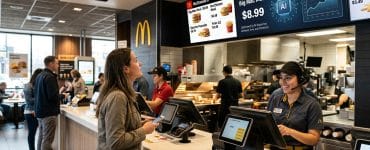
The fast food industry in California is undergoing a significant change today (April 1st, 2024). That’s because a new law comes into effect, guaranteeing fast food workers a minimum wage of $20 per hour.
Fast Food Workers Minimum Wage: Why $20 An Hour?
This move aims to provide more financial security to a profession historically known for low wages. But it raises concerns about the potential impact on prices and the franchise businesses operating in the fast food space.
On Improving Financial Security
By raising the minimum wage to $20, California’s lawmakers aim to acknowledge the reality that many fast food workers are adults supporting their families rather than teenagers earning extra spending money. This increase will undoubtedly enhance the financial well-being of these workers (a bit), offering them the means to meet their basic needs and potentially reduce their reliance on multiple jobs.
This Means Challenges for Fast Food Franchisees
Franchise industry lobbyists say the increased wages will result in additional costs, making it necessary for franchisees to consider raising prices by 5% to 15% and potentially halt expansion plans.
But do you need to feel sorry for franchisees?
Check Out My New Guide for Franchise Buyers!

I don’t know if “sorry” is the right word to use, but California franchisees will undoubtedly need to raise their prices. How much?
They’ll need to find the right balance between covering their now higher payroll costs and keeping their customers coming in. And that’s going to be challenging, especially because as of this writing, food prices continue to be out of control.
Employment Effects and Potential Positive Outcomes
According to The Detroit News, California has gradually increased its minimum wage over the past decade, raising concerns about potential job losses. However, data suggests that previous increases did not lead to significant employment reductions.
And according to Michael Reich, a labor economics professor at the University of California-Berkeley, wages have been positive employment effects with these higher wages. Plus, many larger cities in California already have higher minimum wage rates, meaning the jump to $20 per hour will be less dramatic for some fast food restaurants.
Continue Learning About Franchising
Check out these important franchise trendsGet the latest franchise research tips
Learn how to choose the right franchise for you
Educate yourself about some of the franchise legal stuff
Get specific advice on owning and operating a franchise

To conclude, it’s much too early to determine how much the new $20 per hour minimum wage will effect fast food workers and establishments. We’re just guessing here. But there will be an impact.
About the Author
Joel Libava is The Franchise King® — an independent franchise advisor with 25+ years in the industry, two published books on franchising, and his writing has been featured in The New York Times, Forbes, CNBC, Entrepreneur® Magazine and others. In addition, he wrote exclusively for the U.S. Small Business Administration blog for eight years. He doesn't sell franchises. Instead, Joel helps you figure out if franchise ownership is actually right for you — and if it is, teaches you his powerful, proven-to-work franchise research techniques, so you can make a smart, informed decision on a franchise to own and be your own boss.
Note: When you buy through links on this website, we may earn an affiliate commission.