 Joel Libava
Hiring a franchise lawyer before you buy a franchise is one of the smartest moves you can make. Not hiring one is always a mistake.
But here’s something most franchise buyers don’t understand. Franchise lawyers answer legal questions. Not business questions.
That distinction matters. A lot.
When you blur the line, two bad things happen. First, you waste billable hours asking questions your attorney can’t really answer.
Second, you may make a business decision based on an answer that was never meant to be business advice.
So let’s clear this up. Here are 5 questions you should never ask your franchise lawyer. Plus what to ask instead.
Key Takeaways on Franchise Lawyer Questions
Franchise lawyers are essential members of your franchise buying team. But they play a specific position. They handle the legal side, and they handle it well. That means the business side belongs to you.
Questions about profitability, concept quality, territory demand, and which franchise to choose get answered through your own research, franchisee interviews, and honest self-assessment.
In a nutshell, you need to use your franchising lawyer for what they’re trained to do. You’ll spend less, learn more, and make a better decision. And you’ll walk into your franchise agreement with your eyes wide open.
With that in mind, here are some questions to NOT ask your franchise attorney.
1. “Is This a Good Franchise to Buy?”
This is the number one question franchise buyers ask their lawyers. And it’s the wrong one.
Simply stated, your franchise lawyer can tell you if the franchise agreement is one-sided. They can flag a personal guarantee that puts your house at risk. They can point out litigation disclosed in Item 3 of the FDD.
But they can’t tell you if the business model works. They can’t tell you if the concept fits your skills. They can’t tell you if your market can support another smoothie shop.
That’s business research. It’s your job. And it’s the job of the franchisees you interview during your due diligence. Okay?
Note: If you need to hire a franchise attorney who practices law in your state, check out The Franchise Attorney Directory.
2. “How Much Money Will I Make?”
Franchise lawyers don’t do earnings projections. Period.
Yes, your lawyer can walk you through Item 19 of the FDD. That’s the financial performance representation section. They can explain what the franchisor is claiming and what the fine print says.
But interpreting those numbers for your specific situation?
Check Out My New Guide for Franchise Buyers!

Building a realistic profit and loss projection?
That’s work for you, your accountant, and the current franchisees you call.
That means ask 12-15 franchisees about their revenue and their costs. You’ll learn more in 12 phone calls than any legal document will ever tell you.
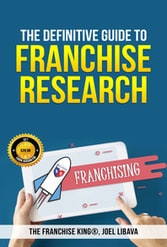
*** If you want to know a great way to ask those questions…the money questions, along with every question you’ll ever need to ask franchisees and franchisors, grab this Guide.
3. “Should I Choose Franchise A or Franchise B?”
Your franchise lawyer is not your franchise matchmaker.
Sure, they can review both franchise agreements and tell you which one has friendlier terms. That’s useful. But a franchise with a better contract can still be a worse business. Especially if you’re not a good fit for the franchise business opportunity.
For instance, franchise ‘A’ might have a cleaner agreement and a dying concept. Franchise ‘B’ might have a tougher agreement and a thriving system with happy franchisees. The contract is one data point. It’s not the decision. It’s not the business. Like my dad always told me, “It’s ink on paper, Joel.” So what’s my point?
Choosing between franchises comes down to your budget, your goals, your local market, and the health of each system. Those are business factors. Not legal ones.
4. “Is This Territory Any Good?”
Your lawyer can tell you what your territory rights are. That’s legal.
They can tell you if your territory is protected or not.
They can explain carve-outs that let the franchisor sell online or through other channels inside your territory.
That stuff matters, and it’s exactly what they’re for.
But whether the territory itself is any good?
Whether there’s enough population, traffic, and demand to support the business? Your attorney has no idea. And they shouldn’t.
That answer comes from demographic research, drive-time studies, competition analysis, and conversations with franchisees in similar markets. Business work. Your work.
Tip: Contact your local SBDC. They probably have the kind of local demographic information you need.
5. “Can You Negotiate a Better Royalty Rate?”
For some odd reason, my clients ask me this question a lot. Why?
Continue Learning About Franchising
Check out these important franchise trendsGet the latest franchise research tips
Learn how to choose the right franchise for you
Educate yourself about some of the franchise legal stuff
Get specific advice on owning and operating a franchise

Because they think a franchise attorney can negotiate the franchise agreement like it’s a used car deal.
Here’s the reality. Most established franchisors negotiate very little. The royalty rate, the franchise fee, and the core terms are usually fixed. After all, franchisors need consistency across hundreds of agreements.
A good franchise lawyer knows what’s actually negotiable. Things like cure periods, transfer terms, and sometimes development schedules. Asking them to fight for a lower royalty just burns hours and goodwill.
Here’s a better question to ask your franchise lawyer:
“Based on your experience with this franchisor, what terms are realistically negotiable?” Now you’re using your attorney correctly.
What to Ask Instead
Ask your franchise lawyer legal questions.
- What are my obligations under this agreement?
- What can happen if I want out early?
- What does this personal guarantee expose me to?
- What did you find in the litigation section?
- What things would you push back on?
Those questions are worth every dollar of the fee you’re being charged.
So ask them!
About the Author
Joel Libava is The Franchise King® — an independent franchise advisor with 25+ years in the industry, two published books on franchising, and his writing has been featured in The New York Times, Forbes, CNBC, Entrepreneur® Magazine and others. In addition, he wrote exclusively for the U.S. Small Business Administration blog for eight years. He doesn't sell franchises. Instead, Joel helps you figure out if franchise ownership is actually right for you — and if it is, teaches you his powerful, proven-to-work franchise research techniques, so you can make a smart, informed decision on a franchise to own and be your own boss.
Note: When you buy through links on this website, we may earn an affiliate commission.